


Experience 05 · DAY TRIP
Agadir and Souk El Had: the biggest market in Morocco, with a guide
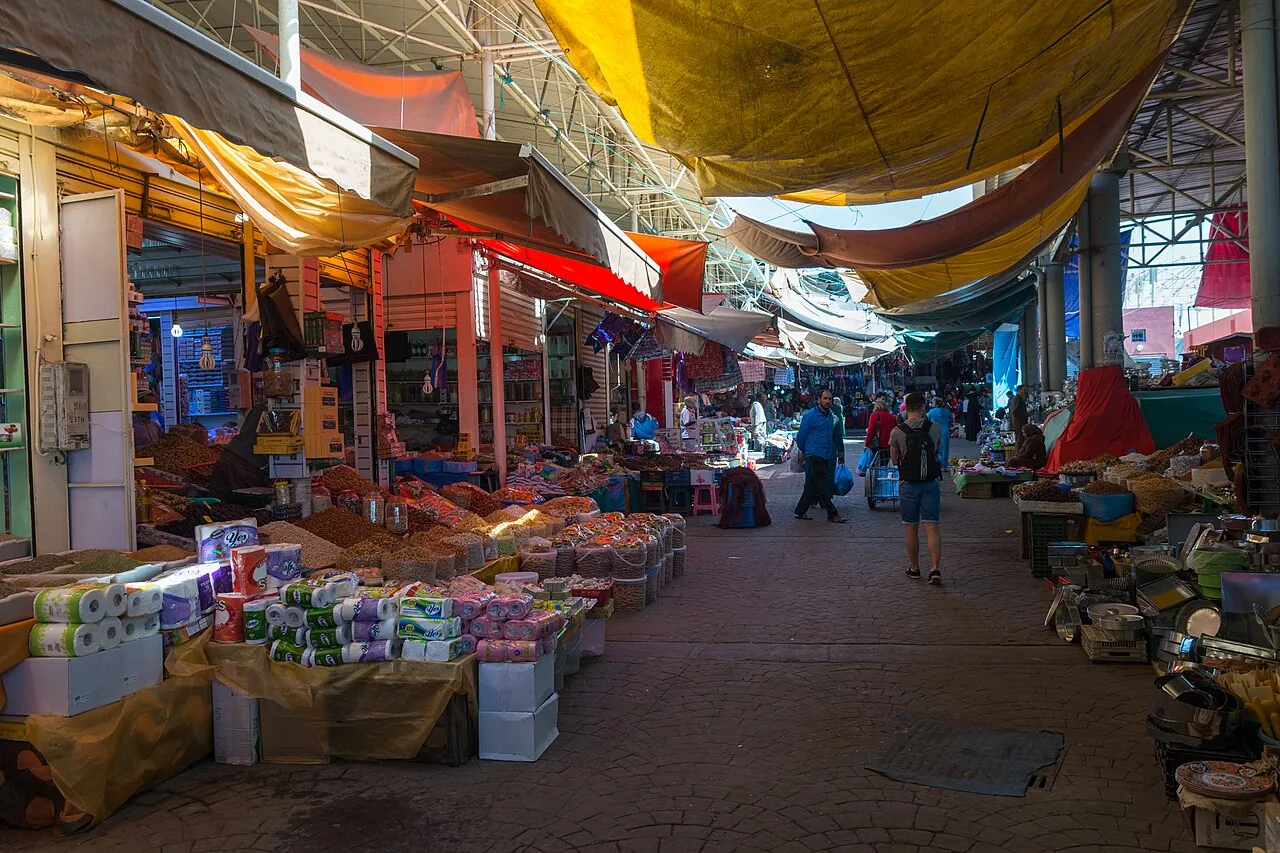
Twenty-five minutes south of the villages, Agadir is a modern city rebuilt after the earthquake of 1960, and inside its walls sits the largest souk in Morocco: thirteen hectares of spices, olives, argan oil, leather, carpets and everything a city of half a million people buys in a week. Go with someone who knows the gates.
- DurationA day, about 6 hours including the drive
- Price300 MAD per person, guide and transport included; cable car and lunch paid on the spot
- WhenSaturdays and Sundays; the souk is closed on Mondays
- Good forAnyone who likes markets, food and a bit of bargaining
Background
Why Souk El Had
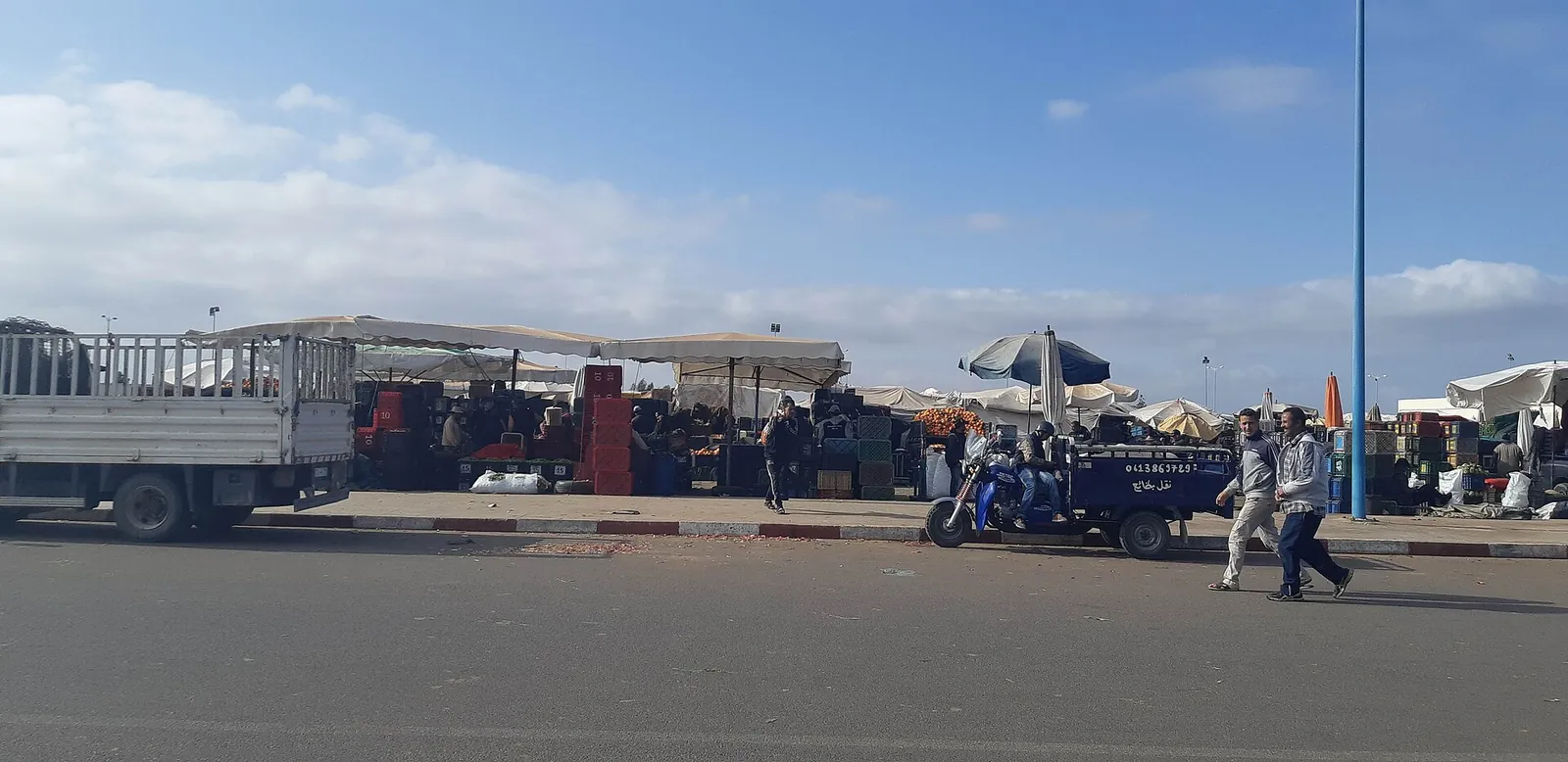
Souk El Had means the Sunday market, and it began as one, in the Talborjt quarter, before the earthquake of 29 February 1960 flattened the old city and the market was rebuilt behind high walls in the Sidi Youssef quarter, where it still stands. Today it covers around thirteen hectares with somewhere between three and six thousand stalls, depending on who counts, behind a dozen numbered gates. It opens every day except Monday, roughly from nine in the morning to half past eight at night, and Sunday is still the big day.
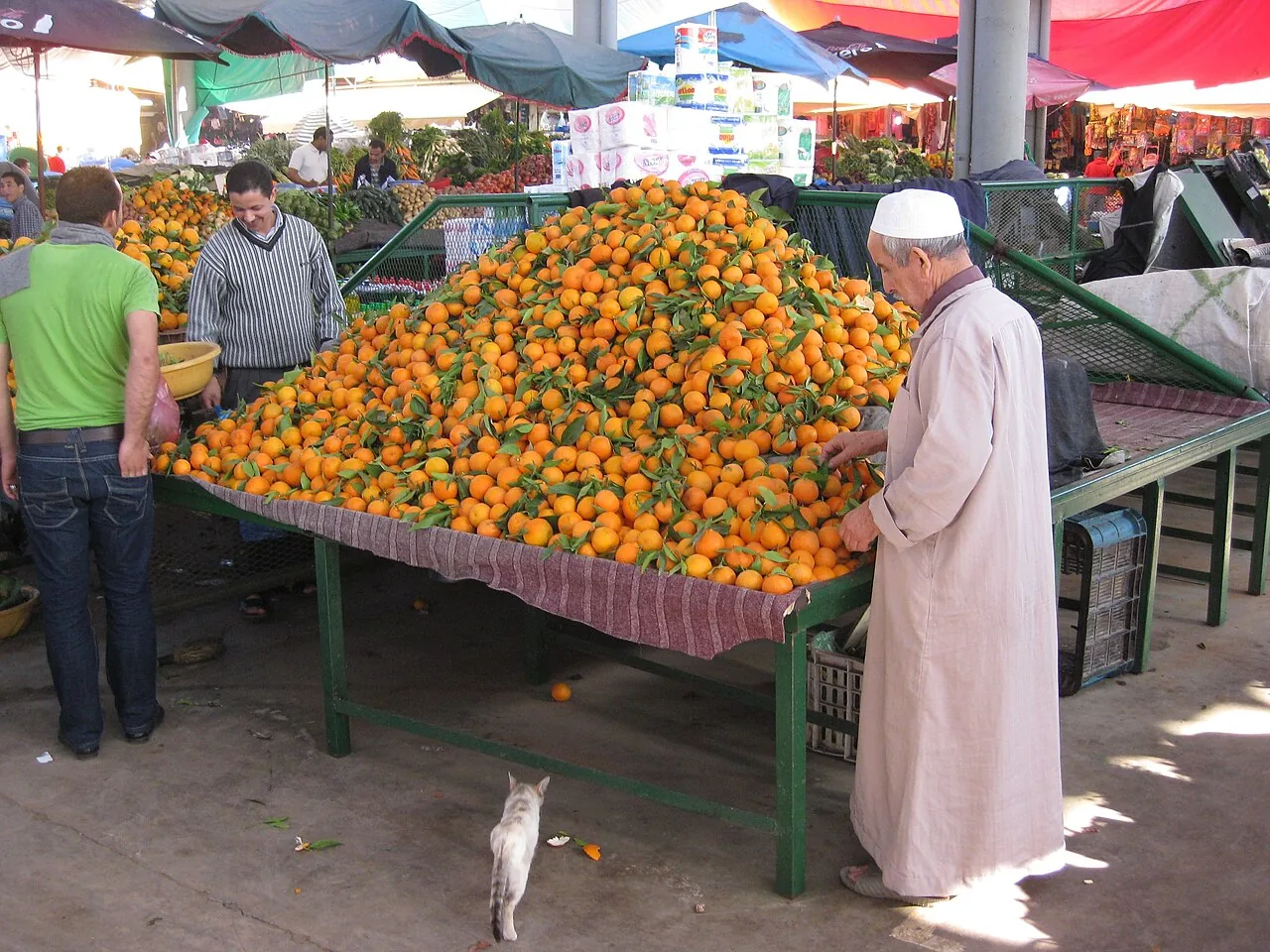
It is not a tourist souk. Families from Agadir do their weekly shopping here, which is why the prices are honest and the produce is extraordinary: pyramids of oranges and clementines from the Souss plain, olives in twenty varieties, dates, almonds, the spice merchants with their cones of ras el hanout, and whole alleys of mint. Then the crafts: argan oil and amlou, leather babouches, Berber carpets from the Anti-Atlas, lanterns, pottery from Safi, silver from Tiznit. Each gate opens onto a different zone, and a guide saves you the hour of being lost.
On the ground
The day
- 9:30 Pick-up at the house, 25 to 35 minutes to Agadir.
- 10:00 Souk El Had with the guide: the food halls first, while it is cool, then the crafts. Two hours is the minimum; three is better. Lunch is grilled sardines or a tagine at one of the stalls inside, or a café on the avenue outside.
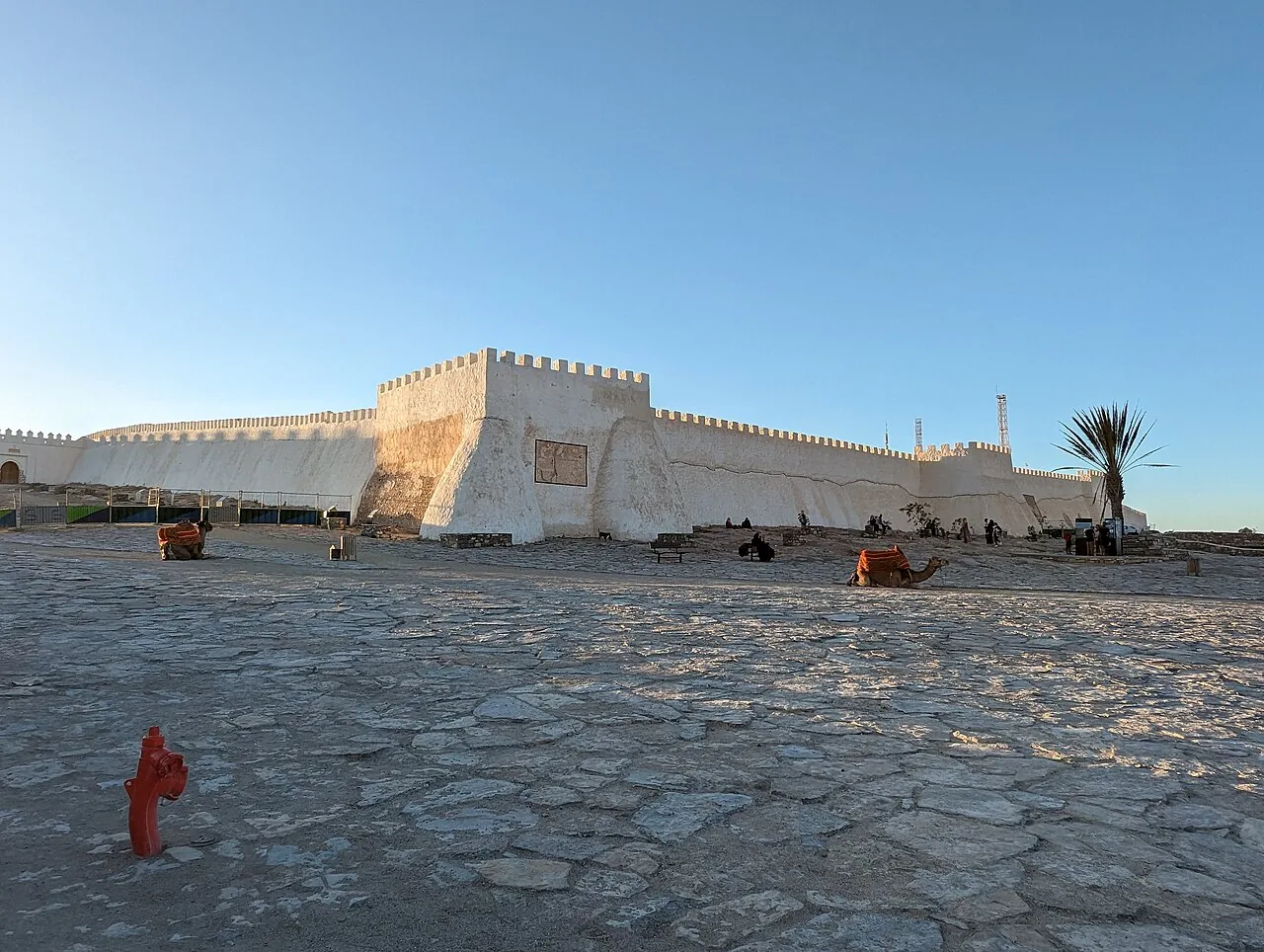
- 13:30 The kasbah of Agadir Oufella, on the hill above the port. The Saadian fortress was built in the sixteenth century and destroyed in 1960; its walls were restored and since 2022 a cable car runs up from the Tildi bridge in about fifteen minutes, with the whole bay below you. Tickets are paid on the spot.
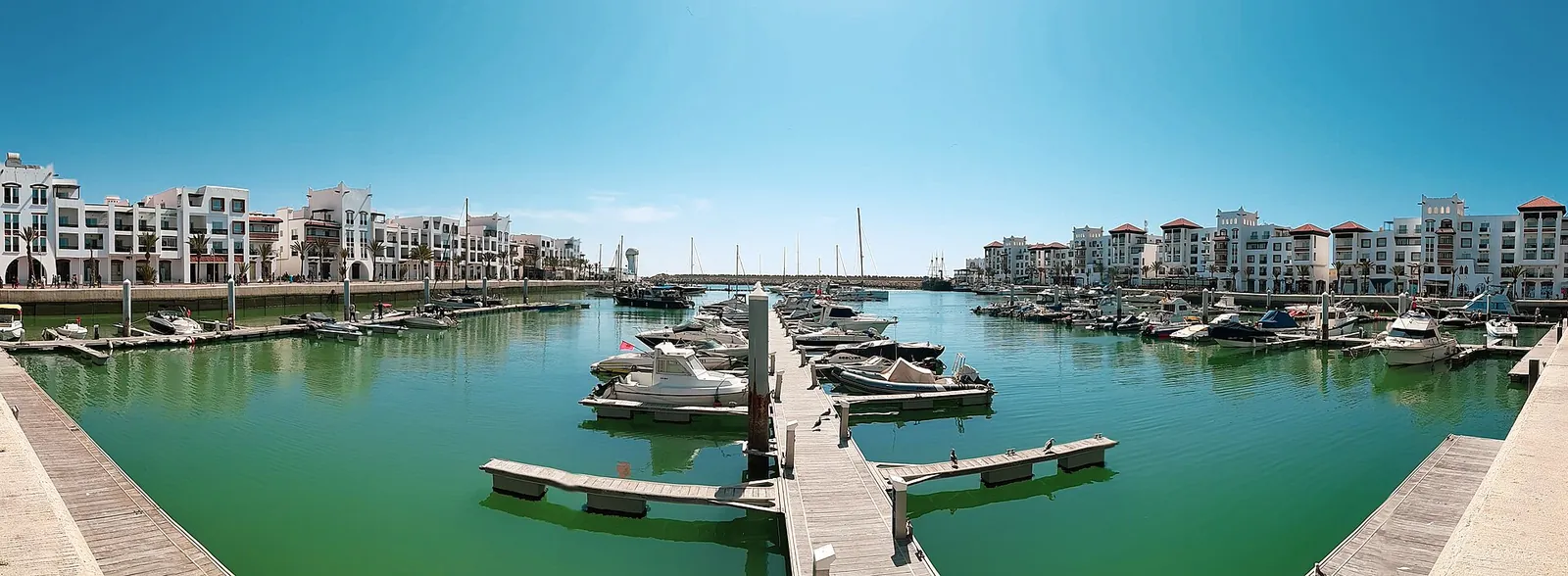
- 15:00 The marina at the foot of the hill, a walk on the beach promenade, or the Vallée des Oiseaux garden in the centre if you have children with you.
- 16:30 Back to the house before the sunset.
How to bargain, briefly
Food has a price and you pay it. Crafts do not: smile, ask the price, offer about half, meet somewhere in the middle, and walk away politely if it does not feel right. Pay in cash (there are cash machines near the gates), carry small notes, and keep your bag in front of you in the crowded alleys. Note the number of the gate you came in by.
What to bring home
Argan oil from a cooperative rather than a stall if you can (the guide knows one), amlou, saffron from Taliouine, olives and preserved lemons for the kitchen, a pair of babouches, and spices in sealed bags for the flight. Carpets are a serious purchase: take your time or come back another day with the car.
With us
How it works with Hilal
Switch on the Agadir tour in the builder: 300 MAD per person with the guide and the transport from your house, on Saturdays and Sundays. The cable car (around 100 MAD return), lunch and your shopping are paid on the spot. The tour is part of our Coast Drive plan, which also comes with a Renault Clio 5 for the whole stay. If you would rather go on your own on another day, the Souk El Had guide in our journal has everything you need, and Hilal Luxury Cars explains how to get there by car and where to park.
Questions
Your questions
What days is Souk El Had open?
Every day except Monday, roughly 9:00 to 20:30. Sunday is the busiest day. Some stalls close for a couple of hours on Friday afternoon for prayers.
How big is it?
About thirteen hectares behind high walls, with a dozen gates and several thousand stalls. Allow at least two hours.
Is it safe and is it for tourists?
It is a working market for the people of Agadir, which is what makes it good. It is safe; keep your bag in front of you in the crowd and bargain for crafts, not for food.
What does the tour cost?
300 MAD per person with the guide and the transport from Tamraght or Taghazout. The cable car, lunch and purchases are extra.
Further reading
To read before you come
Journal · MarketsSouk El Had: a first-timer’s guide to the biggest market in MoroccoA first visit to Souk El Had in Agadir: which days it opens, which gate to use, what to buy and pay, how to bargain, and how to get there from Taghazout.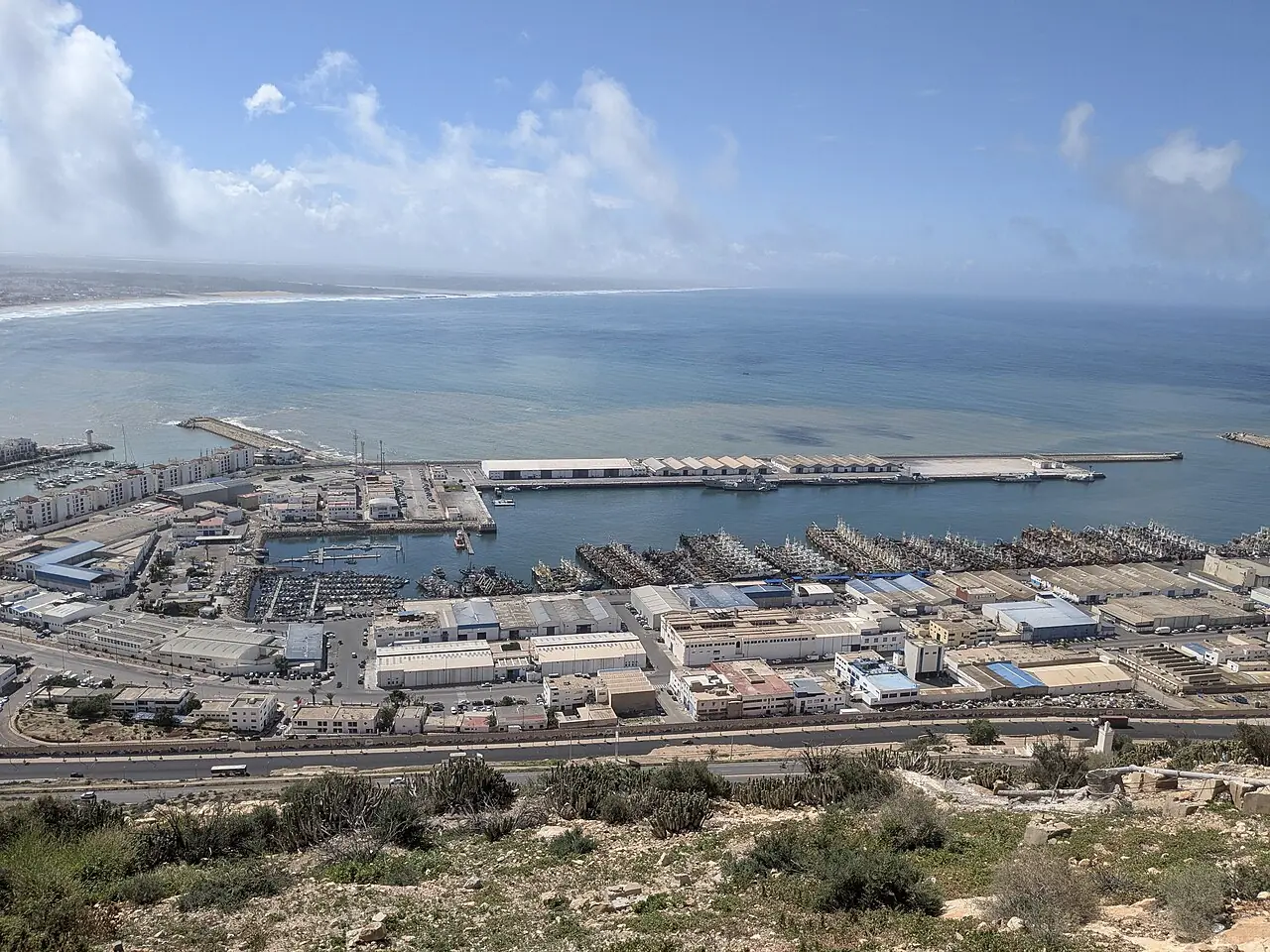 Journal · PlacesAgadir beyond the beach: the kasbah, the marina, birds, crocodiles and an ibisSeven places in and around Agadir worth the drive: the kasbah by cable car, the marina, the Vallée des Oiseaux, Crocoparc and the Souss-Massa park.
 Journal · MarketsInezgane and Dcheira: the Tuesday souk and the towns where Agadir really shopsSouth of Agadir, Inezgane and Dcheira are working towns with the region’s biggest everyday markets: the Tuesday souk, Souk El Houria, silver and produce.
Photo credits: Krzysztof Belczyński, CC BY-SA 2.0 · Sir James, CC BY 3.0 · Mwintirew, CC BY-SA 4.0 · Abdeaitali, CC BY-SA 4.0 (Wikimedia Commons).
YOUR STAY
Make it part of your stay.
Add it to your plan in the builder, priced line by line. Our team confirms everything before you pay.